By the time a customer picks up a package in a grocery aisle, most of the decisions that shaped that product have already been made. Someone decided what the product should be, who would produce it, how consistent it needed to be, how it would be packed, and how it would be stored before it ever reached the store. Quality, in other words, is largely settled long before a shelf is involved. This article looks at how Gyan Foods approaches that earlier stage — the choices around sourcing, production, and handling that determine whether a product performs the way it’s supposed to once it’s in someone’s kitchen.
What Does Food Sourcing Actually Mean?
Food sourcing is the process of identifying, evaluating, and selecting the growers, producers, or manufacturers behind a product, along with the ingredients, specifications, and packaging involved in bringing it to market. It’s not simply buying ingredients — it’s a series of decisions that shape how a finished product performs.
Depending on the product, sourcing can involve identifying who is capable of producing it, reviewing how consistent their output is, understanding their production capacity, and considering how the product will hold up through packaging, storage, and transport. A bag of lentils, a bottle of cooking oil, and a packaged snack each involve different considerations, even though all three fall under the same general idea of sourcing.
Quality Begins With the Product Decision
Before sourcing even starts, there’s a more basic question: should this product exist in the range at all? That decision depends on who is likely to use it, how it’s typically cooked or consumed, what level of consistency matters for that category, and whether it offers genuine everyday usefulness rather than just filling a gap on a shelf.
This is where Gyan’s approach to range-building starts. A product earns a place in the catalogue because there’s a real reason for it to be there — demand from customers, a gap identified by a retail partner, or a category that’s clearly underserved — not simply because it’s available to add.
Why the Producer or Manufacturer Matters
Once a product decision is made, the next question is who can actually produce it well. Finished quality depends heavily on the experience, consistency, and communication of whoever is manufacturing or producing the item, whether that’s a food processor, a packaging facility, or an agricultural supplier.
Gyan looks for production partners capable of meeting the expectations set for a particular product — appropriate equipment, dependable output, and clear communication when questions come up. That’s a more accurate description than saying Gyan works only with “the best” manufacturers, since capability is judged against what a specific product actually requires, not against a general claim.
Growers Matter Where the Product Starts at the Source
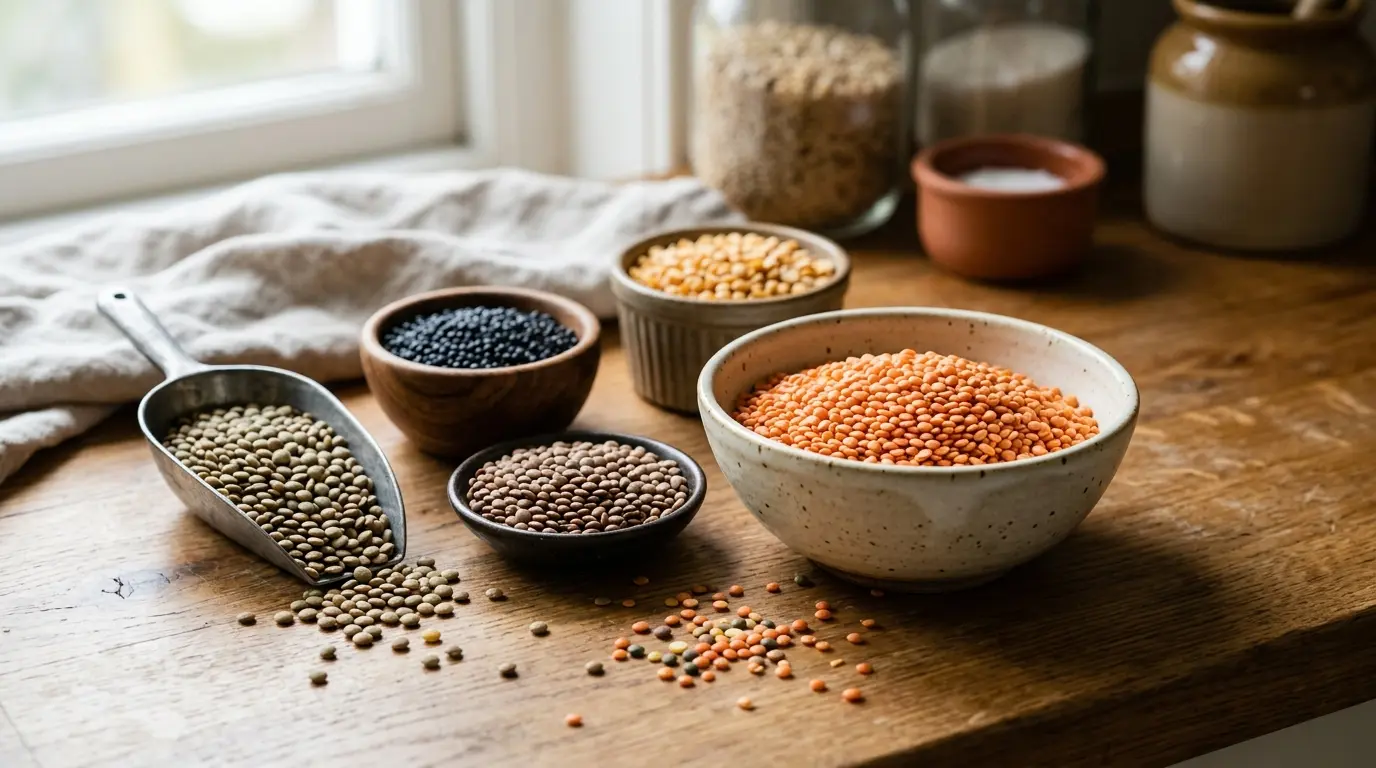
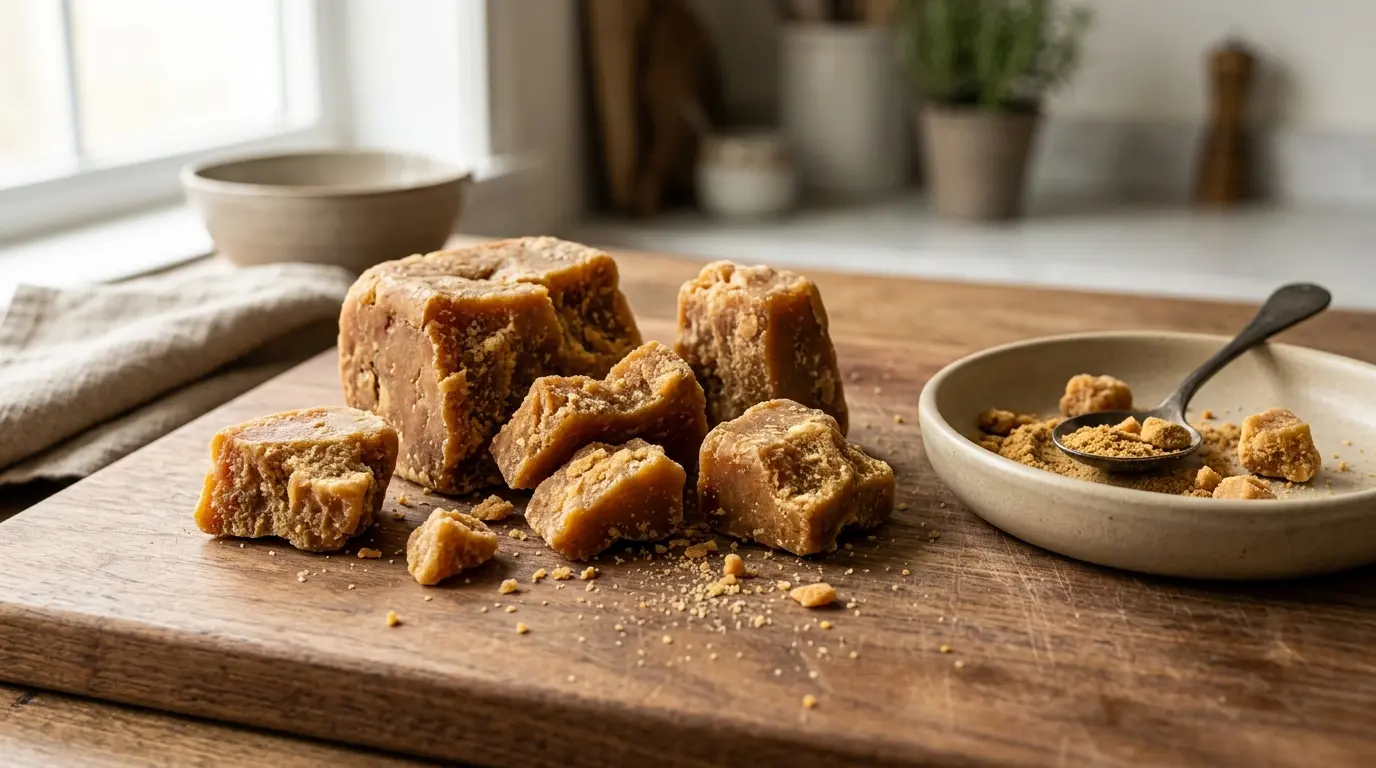
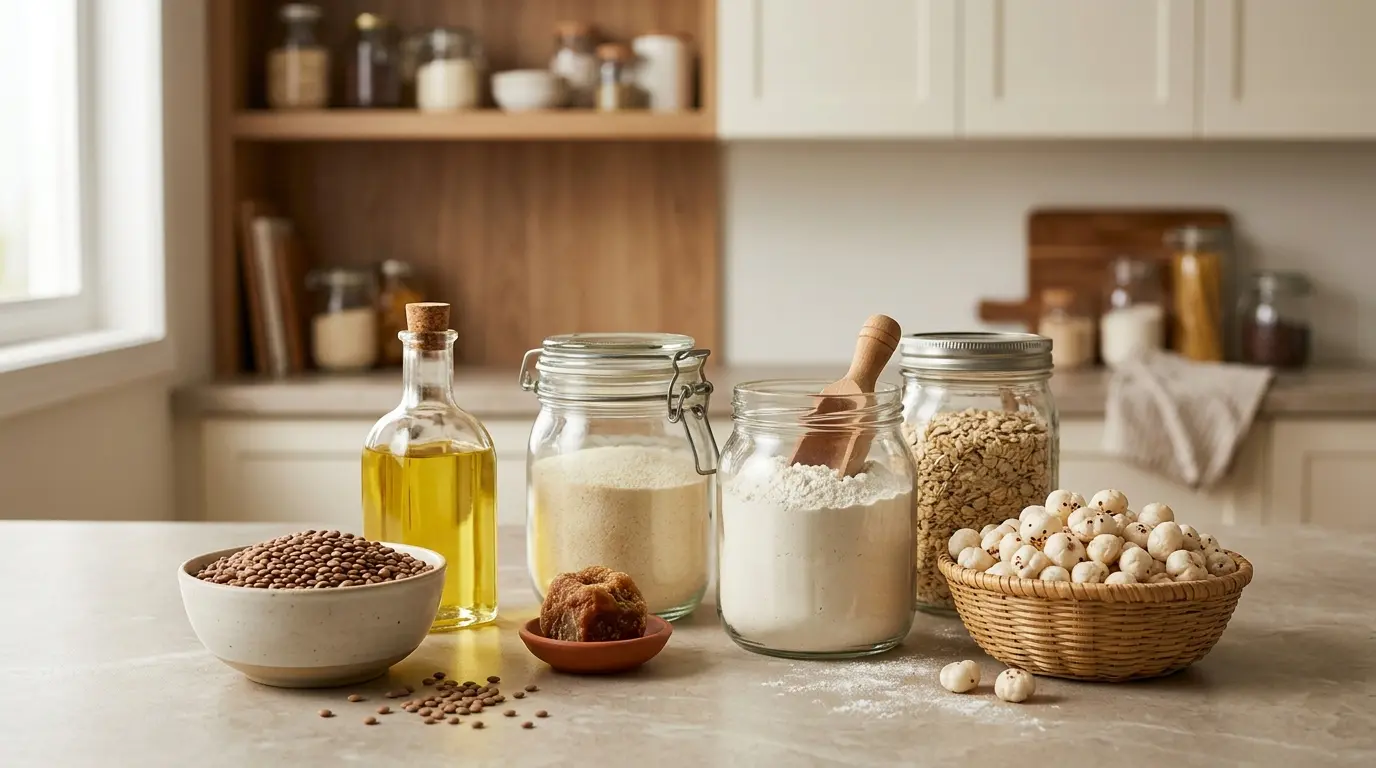
For products that begin with agricultural ingredients — lentils, jaggery, and certain grains among them — understanding the source is part of evaluating the finished product. Crop variety, growing conditions, post-harvest handling, cleaning, and grading can all influence how a raw ingredient turns into a finished item on a shelf.
Gyan works with selected growers where applicable, alongside trusted producers and manufacturers, depending on the category. Not every product in the range is purchased directly from a farm, and supply chains differ meaningfully between an agricultural product like lentils and a manufactured item like a packaged snack.
Consistency Is Part of Quality
For everyday pantry products, consistency is arguably the most practical measure of quality. Someone buying the same bag of flour or the same jar of jaggery expects it to behave the same way in the kitchen each time — similar cooking behaviour, familiar texture, expected flavour, and product that arrives in good condition.
Retailers care about this too. A product that performs consistently is easier to stock, easier to recommend, and less likely to generate returns or complaints. None of this means every unit is identical; natural food products vary to some degree, and that variation is expected. Good quality management is less about forcing uniformity and more about reducing the inconsistency that isn’t natural — production errors, handling problems, or storage issues that shouldn’t happen in the first place.
Familiar Taste Matters More Than Marketing Language
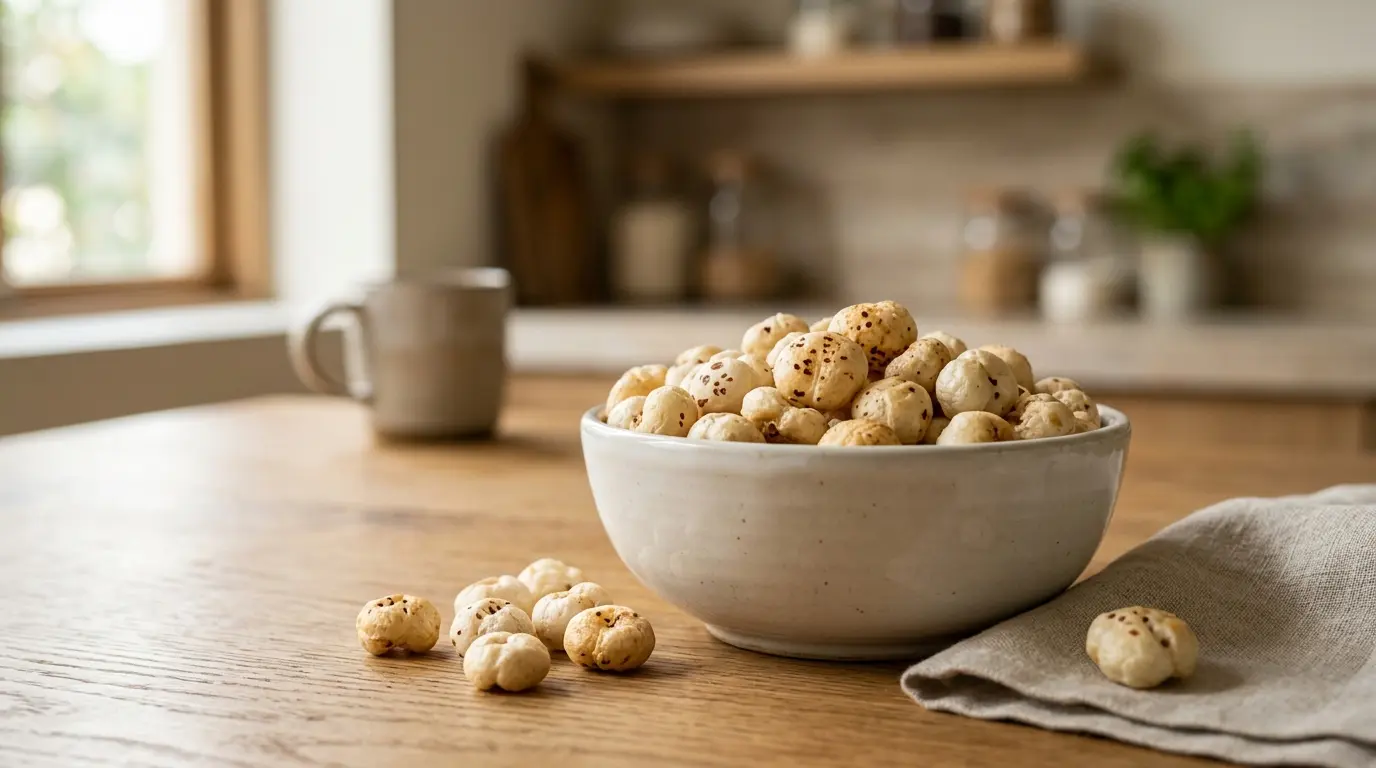
Someone buying lentils, jaggery, flour, makhana, or cooking oil already has an idea of how that product should taste and perform, often shaped by years of using something similar. That expectation is the real standard a product is measured against, more than any description on the packaging.
Meeting that expectation consistently, purchase after purchase, is what actually builds trust with a customer. It matters more than how a product is described, because a shopper who’s disappointed once is unlikely to be persuaded back by better copy the next time.
Packaging and Handling Are Part of the Product
Quality doesn’t stop when production ends. How a product is packaged affects whether it arrives in the condition it’s supposed to — protected from moisture, physical damage, and the kind of handling that happens between a production facility and a store shelf.
This is a practical, often overlooked part of sourcing. A well-made product in inadequate packaging can still show up damaged or degraded by the time a customer sees it, which is why packaging and handling considerations are part of how a product gets evaluated, not an afterthought once it’s already selected.
Storage Matters After the Product Arrives
Sourcing decisions don’t end once a product leaves its producer. Different categories need different handling — dry goods, fresh products, and frozen items all have different storage requirements, and getting that wrong can undo careful sourcing decisions made earlier in the process.
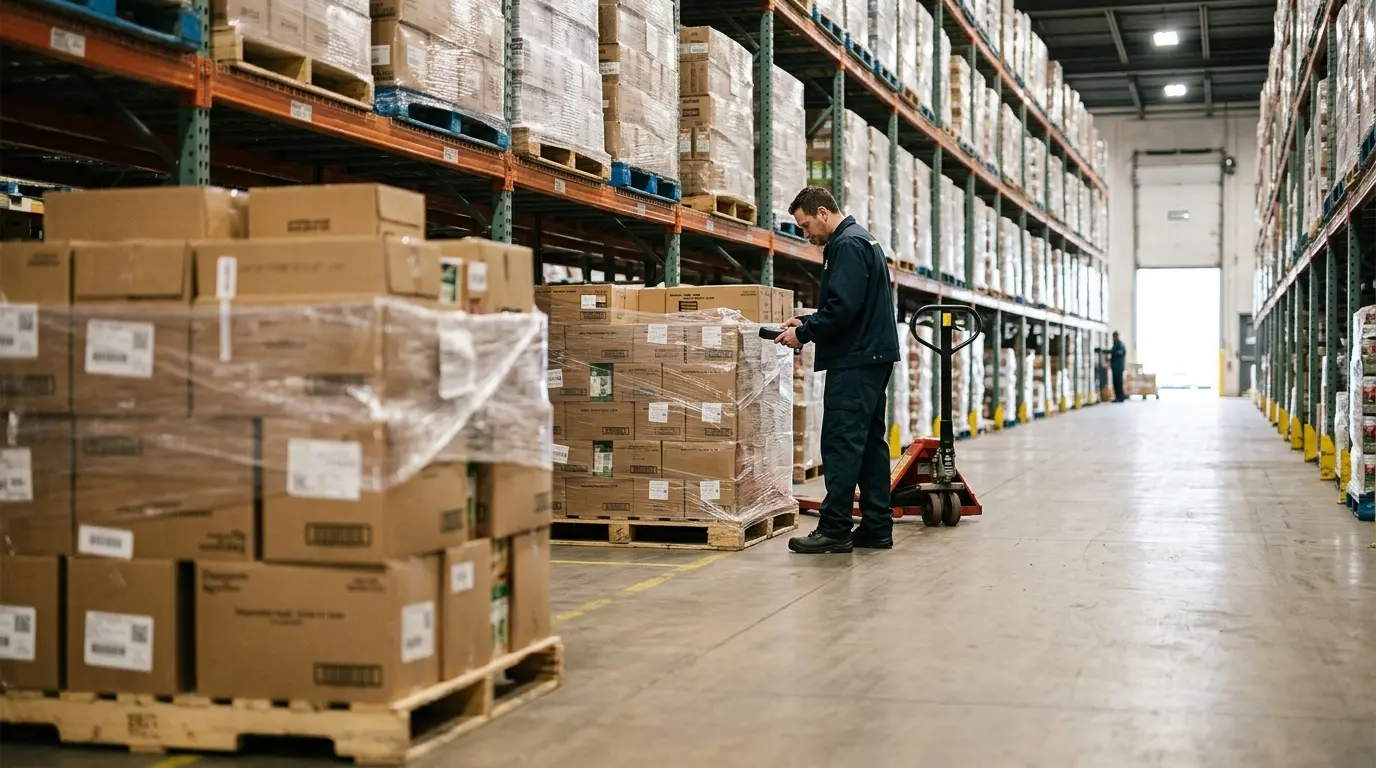
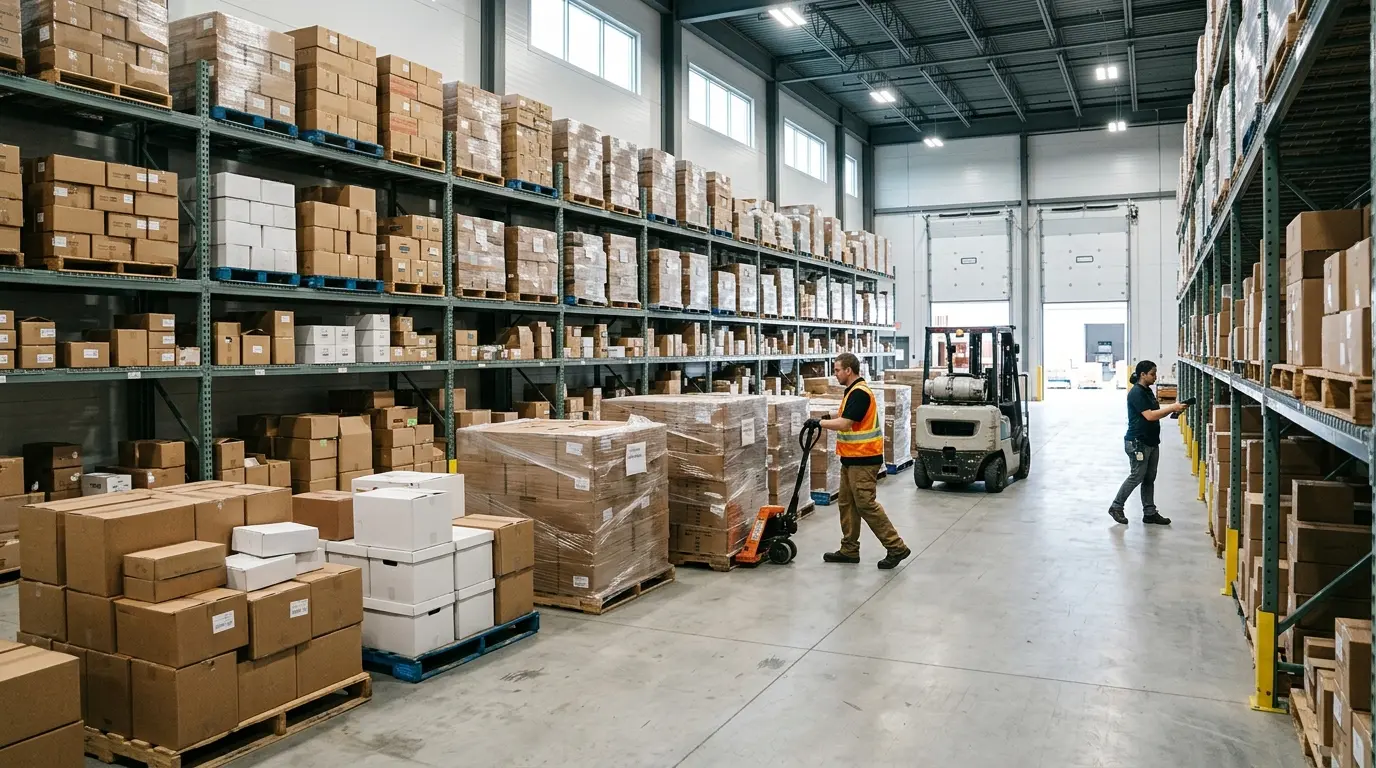
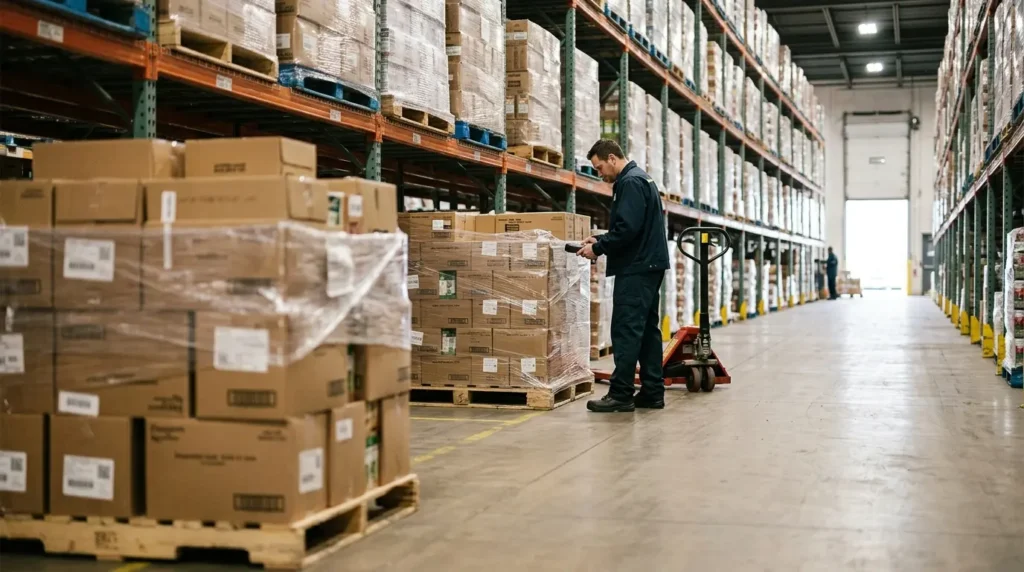
Gyan operates a 15,000 square foot warehouse with capacity for approximately 1,000 pallets, supporting dry, fresh, and frozen product categories. That infrastructure exists specifically to protect product quality after sourcing decisions are made, through to when the product reaches a retailer.
Listening to the Market Is Part of Product Selection
Gyan Foods started with a smaller assortment based in Alberta. The range grew as customers asked for more, and as retail partners identified categories where demand existed but wasn’t being met well. That pattern — listen first, then expand — is still how the range grows today, now covering more than 400 SKUs and growing across British Columbia, Alberta, Saskatchewan, Manitoba, and Ontario.
Growth for its own sake isn’t the goal. A product gets added because there’s a specific reason for it — an identified need, a gap in a category, or clear interest from customers or retail partners — rather than simply to make the catalogue bigger.
Why Practical Value Matters
Quality doesn’t have to mean a product becomes a luxury item. Gyan’s approach is built around practical, everyday value — products that perform reliably without needing to be positioned as something special or exclusive to justify their place on a shelf.
That balance between consistency, usefulness, and everyday value is part of what makes a product genuinely useful for regular purchase, rather than something bought once out of curiosity and not repurchased.
What Gyan Foods Looks For
Bringing these ideas together, a few broad questions guide how products are evaluated, rather than a formal published checklist:
- Is the product genuinely suited to the market it’s intended for?
- Does it meet a consistent, expected quality level?
- Does the taste or performance match what customers already expect from that category?
- Can it be supplied reliably, without significant gaps or disruption?
- Is the producer or manufacturer capable of meeting those expectations?
- Is the product practical for everyday use, not just an occasional purchase?
- Can it be stored and distributed properly through Gyan’s existing operations?
These are guiding considerations that shape decisions, not a certification or formal standard.
Quality Doesn’t End at the Source
A good source matters, but it’s one link in a longer chain — source, product, storage, distribution, and finally the shelf. Each stage can either protect the quality decisions made earlier or undo them. A well-sourced product handled poorly in storage doesn’t reach the customer the way it was intended to, and a well-manufactured item in weak packaging can arrive damaged despite a solid production process.
That’s why sourcing, at Gyan, isn’t treated as a single decision made once and forgotten. It’s connected to how products are stored, how they’re distributed, and how consistently they perform once they’re finally in front of a customer.
About Gyan Foods
Gyan Foods is based in Calgary, Alberta, and has grown from a smaller regional assortment into a range of more than 400 SKUs and growing, spanning lentils, flours, jaggery, snacks, bakery items, cooking oils, kitchen essentials, and seasonal products. The company’s growth has been shaped largely by demand from customers and retail partners rather than by expansion for its own sake.
Gyan works with selected growers where applicable, along with trusted producers and manufacturers across its different product categories, with an emphasis on consistency and everyday practicality. Behind the range sits a 15,000 square foot warehouse with capacity for approximately 1,000 pallets, supporting dry, fresh, and frozen products, and the company currently serves retailers and customers across British Columbia, Alberta, Saskatchewan, Manitoba, and Ontario.
Frequently Asked Questions
What does food sourcing mean? Food sourcing is the process of identifying, evaluating, and selecting the growers, producers, or manufacturers behind a product, along with the ingredients, specifications, and packaging involved in bringing it to market.
Why does sourcing matter for food quality? Sourcing decisions — who produces a product, how consistent their process is, and how the product is packaged and handled — directly shape how that product performs once it reaches a customer.
Does Gyan Foods source every product directly from farmers? No. Gyan works with selected growers where applicable, along with trusted producers and manufacturers across different product categories. Supply chains differ meaningfully depending on the type of product.
How does manufacturing affect food quality? A manufacturer’s experience, consistency, and communication influence whether a finished product performs reliably from batch to batch, which is part of why production capability is evaluated closely.
Why is consistency important in pantry products? Customers expect a product they buy repeatedly to behave the same way each time, in terms of texture, flavour, and cooking performance. Consistency is what builds confidence in a repeat purchase.
How does storage affect product quality? Different products — dry, fresh, and frozen — have different storage needs, and proper handling after production protects the quality decisions made earlier in sourcing.
How does Gyan Foods decide what products to add to its range? Product decisions are largely driven by demand — requests from customers, gaps identified by retail partners, and categories where there’s a clear, practical need.