Gyan Foods did not begin with hundreds of products. The company started in Alberta with a much smaller assortment and expanded as retailers and customers began asking for more. Founded in 2020 and built on 15 years of combined industry experience, Gyan has grown into a Canadian food brand with more than 400 SKUs across categories including lentils, flours, jaggery, snacks, bakery, cooking oils, kitchen essentials, and seasonal products. This is the story of how that growth happened, and what it actually represents.
It Started With a Smaller Range
Gyan Foods began in Alberta with a considerably smaller product assortment than it carries today. In the early stage, the focus was on establishing a working set of products and building the relationships needed to get them onto shelves and into kitchens reliably.
Rather than launching with a sprawling catalogue, the company built outward from a manageable starting point. That approach mattered, because it meant early demand — what customers actually bought and what retailers actually asked for — could shape the direction of the business from the beginning, instead of the business trying to guess at a large scale from day one.
The Range Grew Because People Asked for More
Product ranges tend to grow in one of two ways: a company adds items because it wants to look bigger, or it adds items because people keep asking for them. Gyan’s growth has followed the second pattern.
Retailers noticed gaps in categories they wanted filled. Customers asked about products that weren’t yet part of the range. Over time, those repeated signals pointed to real opportunities, and Gyan responded by evaluating whether it could offer the right version of that product — one that met the quality and consistency expectations already established for the rest of the range. That pattern, repeated across categories and over several years, is how the company reached more than 400 SKUs and growing.
Growth Is More Than Adding SKUs
Talking about a growing SKU count is easy. Making sure each addition actually belongs in the range is harder.
When Gyan considers adding a product, the broad questions are practical rather than formal: Is there genuine demand for it? Does it meet the quality and consistency expected of the rest of the range? Does it offer real everyday usefulness? Is there a manufacturer or producer capable of supplying it dependably? These aren’t points on a published checklist, but they reflect the kind of thinking that has shaped the range as it’s grown, rather than adding products simply because they were available.
One Brand Across a Growing Range
Across all of this growth, one thing has stayed consistent: everything sits under the Gyan name. The company isn’t building a collection of separate product lines; it’s building a single, broader everyday food brand.
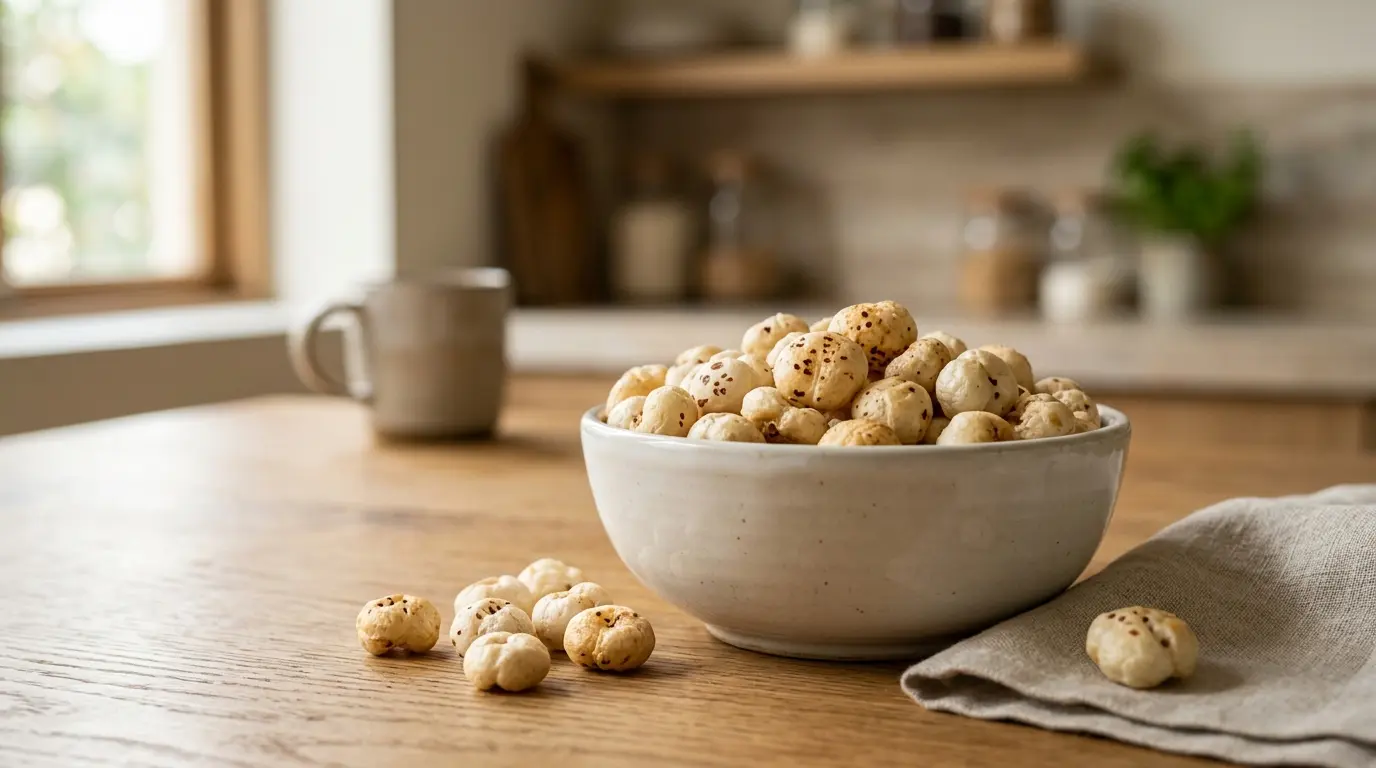
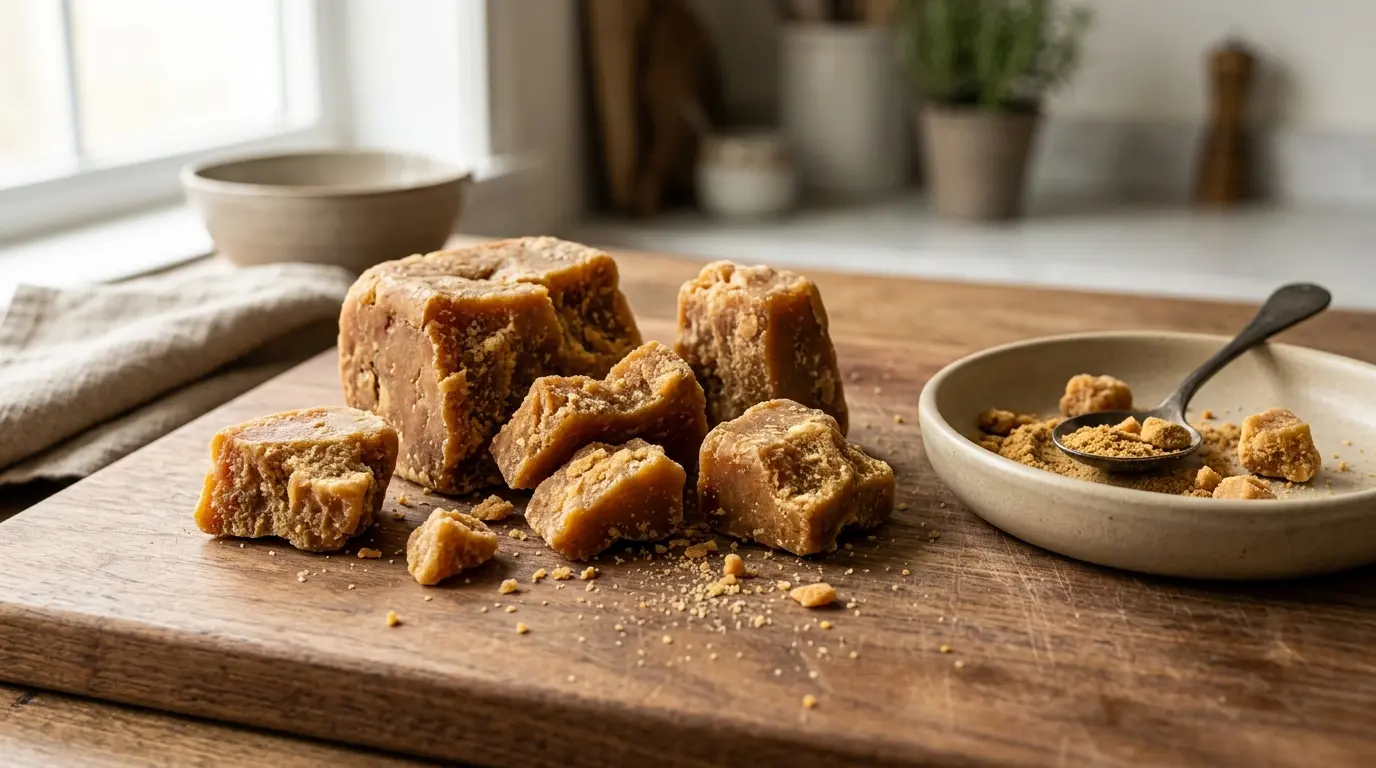
That shows up in the breadth of categories — lentils, flours, jaggery, snacks, bakery, cooking oils, kitchen essentials, and seasonal products — all developed with the same underlying expectations around quality and consistency. The practical result is that Gyan is becoming a brand associated with everyday food and kitchen essentials generally, rather than a company known for just one type of product.
Quality Has to Scale With the Range
More products mean more responsibility for keeping expectations consistent across all of them. A single well-made product is a manageable commitment; four hundred is a much larger one, and it requires attention to sourcing, production relationships, packaging, storage, and handling across a wide range of categories at once.
That responsibility is part of why range growth at Gyan has been paced around demand rather than speed. Adding a product means being confident it can be supplied and maintained at the same standard as everything already in the catalogue, not just introduced and left to fend for itself.
The Infrastructure Behind a Growing Brand
Building a larger product range requires more than finding good products — it requires the operational capacity to store, manage, and move them reliably. As Gyan’s assortment has grown, the systems behind the brand have had to grow with it.
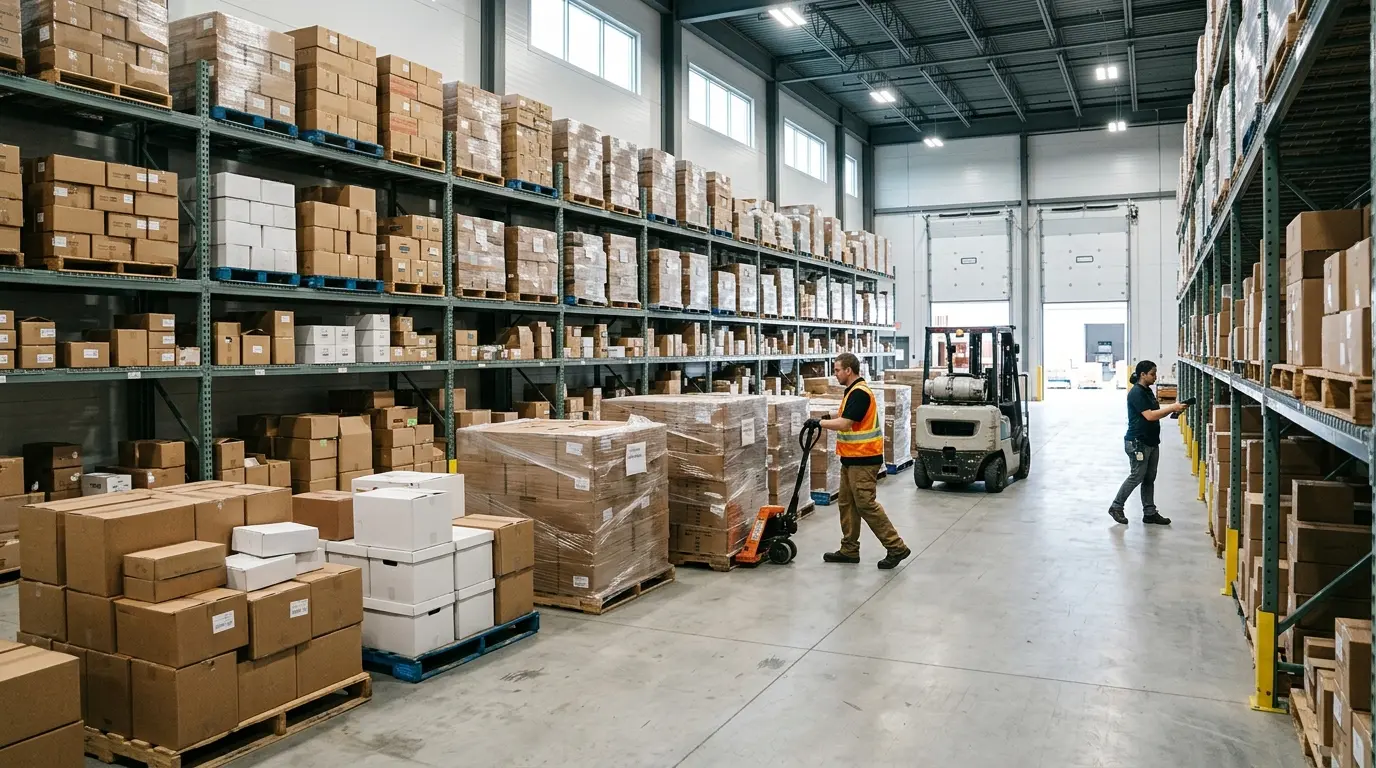
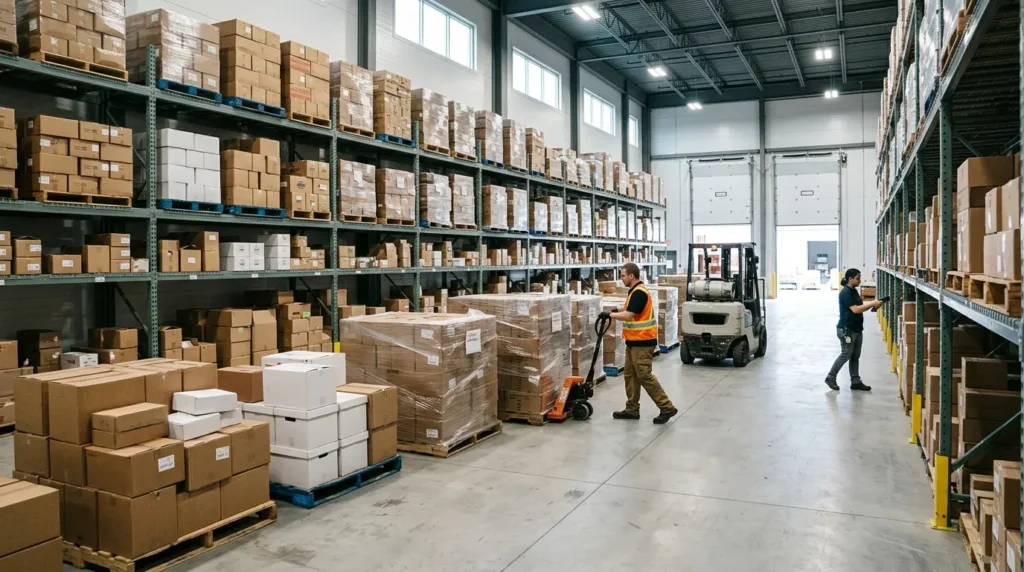
The company currently operates a 15,000 square foot warehouse with capacity for approximately 1,000 pallets, supporting dry, fresh, and frozen product categories. Gyan also maintains EDI capability, supporting the kind of order and inventory communication that retail partners increasingly expect. None of this is incidental to the product story — it’s the infrastructure that makes a 400+ SKU range something Gyan can actually deliver on consistently, rather than just claim.
Built for the Way Retail Works
Retailers evaluate a supplier on more than how a product looks on a shelf. Availability, dependable supply, clear communication, and a useful, well-organized assortment all factor into whether a product relationship works long-term.
Gyan’s growth has involved building that operational side alongside the product range itself — warehousing capable of handling dry, fresh, and frozen goods, systems that support order communication, and a category breadth that gives retail partners a reason to work with one supplier across multiple parts of their store rather than several. This is the less visible half of range growth, but it’s the part that determines whether a growing catalogue is actually usable by the retailers carrying it.
Growing Beyond Alberta
Gyan started in Alberta, but the business has expanded well beyond it. The company currently serves retailers across five provinces: British Columbia, Alberta, Saskatchewan, Manitoba, and Ontario, with confirmed presence in cities including Vancouver, Surrey, Calgary, Red Deer, Edmonton, Winnipeg, and Toronto.
From its Calgary base, Gyan now supports retail markets across Western and Central Canada. That expansion has followed the same demand-led pattern as the product range itself — growing into markets where interest and opportunity existed, rather than expanding for the sake of covering more territory.
Staying Close to Retailer Needs
Part of what has supported this growth is a consistent focus on staying responsive to retailer needs as they come up. That means practical communication, a willingness to work through supply questions as they arise, and treating retail partners as an ongoing relationship rather than a one-time transaction.
This isn’t about promising instant turnaround on every request. It’s a matter of remaining accessible and practical when a retail partner has a real supply need, which is a large part of what keeps a retail relationship working over time.
What 400+ SKUs Actually Represents
The number itself isn’t the interesting part. What matters is what had to happen for the range to reach that point: years of demand signals from customers and retailers, careful evaluation of which products actually belonged in the range, sourcing relationships built category by category, and the warehousing and logistics capacity to support all of it at once.
Four hundred SKUs and growing is a reasonable shorthand for that work, but the number is really a marker of consistent, demand-led growth rather than an end in itself.
Where Gyan Foods Is Going
The long-term goal is straightforward: to build Gyan Foods into one of Canada’s most trusted names for everyday food and kitchen essentials. Reaching that will continue to depend on the same approach that’s brought the company this far — expanding where there’s genuine demand, maintaining quality and consistency as the range grows, and continuing to build the retail relationships and operational capability that support it.
Explore the Gyan Foods range, or reach out directly to learn more about working with Gyan as a retail partner.
Frequently Asked Questions
What is Gyan Foods? Gyan Foods is a Canadian food brand based in Calgary, Alberta, offering more than 400 SKUs and growing across categories including lentils, flours, jaggery, snacks, bakery, cooking oils, kitchen essentials, and seasonal products.
Where is Gyan Foods based? Gyan Foods is based in Calgary, Alberta, Canada.
When was Gyan Foods founded? Gyan Foods was founded in 2020.
How many products does Gyan Foods offer? Gyan Foods currently offers more than 400 SKUs and growing.
What types of products does Gyan Foods carry? Gyan’s range spans lentils, flours, jaggery, snacks, bakery items, cooking oils, kitchen essentials, and seasonal products.
Where does Gyan Foods currently distribute? Gyan Foods serves retailers across British Columbia, Alberta, Saskatchewan, Manitoba, and Ontario, with confirmed presence in cities including Vancouver, Surrey, Calgary, Red Deer, Edmonton, Winnipeg, and Toronto.
Does Gyan Foods work with retailers? Yes. Gyan Foods supports retail partners through its product range, warehousing and logistics capability, and EDI readiness for order and inventory communication.