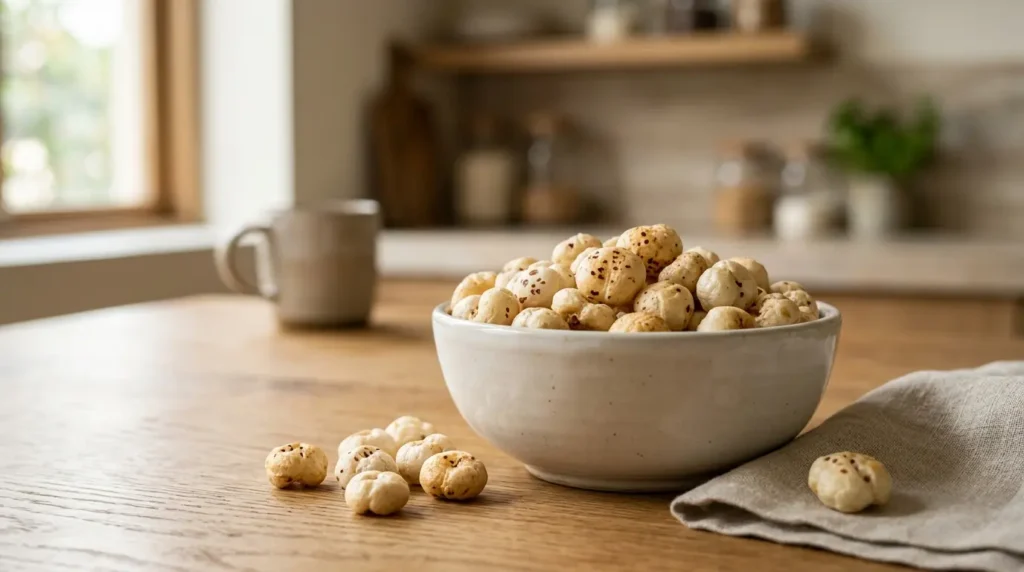
Makhana has been turning up in more places lately—grocery aisles, recipe blogs and small resealable bags near the checkout. If you’ve picked one up and wondered exactly what you were holding, you’re not alone. Makhana, also called phool makhana, is a light, puffed food made from the seed of an aquatic plant. It is most often roasted and eaten as a snack or used in traditional cooking. This guide explains what makhana is, how it differs from similarly named products and how to prepare it well.
What Is Makhana?
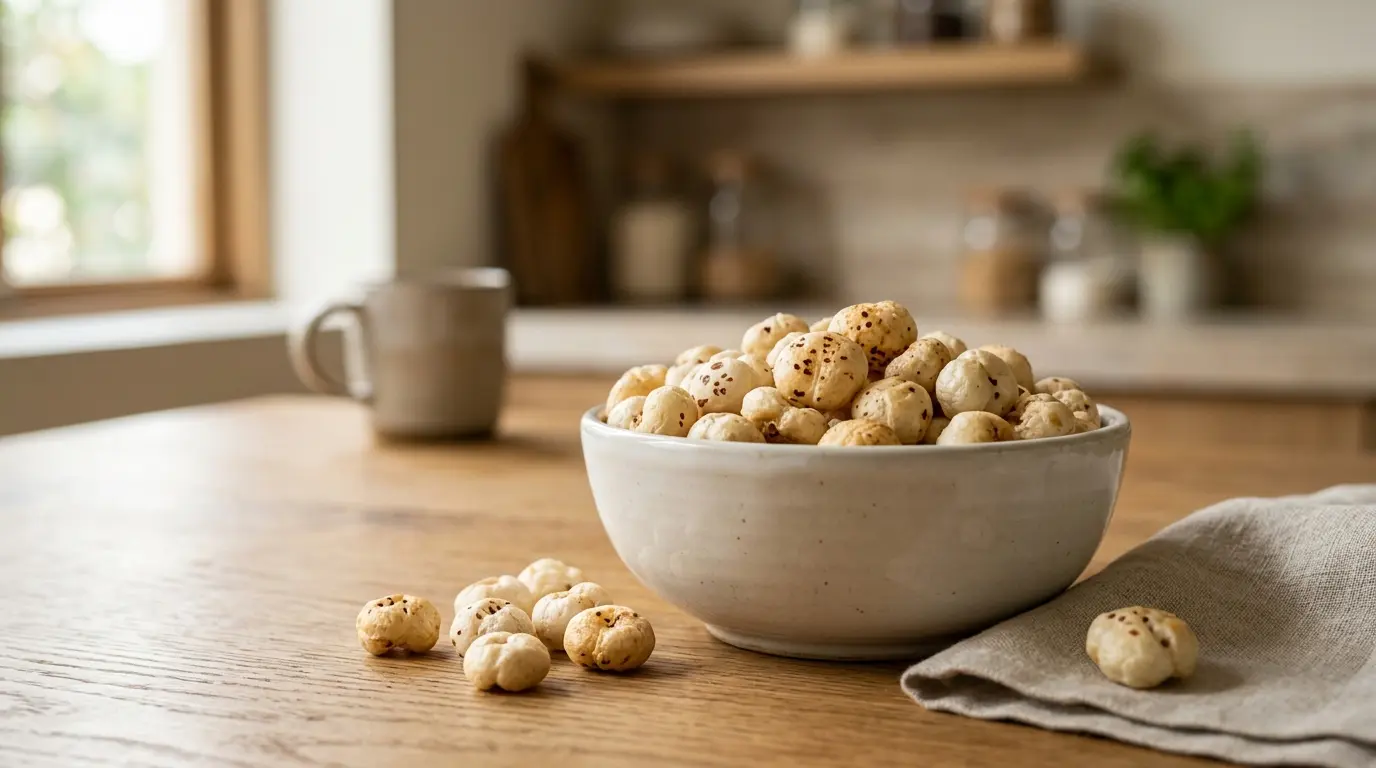
Makhana, also known as phool makhana, is a puffed food produced from the seeds of Euryale ferox, an aquatic plant grown in ponds and wetlands, mainly across eastern India. The raw seeds are dried and roasted until they pop, similar to popcorn, creating the light, crunchy kernels sold as makhana.
The plant itself, sometimes called the prickly water lily, grows in shallow freshwater. Its seed pods are harvested by hand, and the hard seeds inside are separated, dried, and then heated in stages until each one pops open into a small, airy white kernel. That kernel — round, mostly hollow, with a faint crackle when you bite into it — is what most people recognize as makhana.
Because the finished product looks nothing like the raw seed, most consumers only ever encounter the puffed form, whether loose, roasted and seasoned, or packaged as a snack. The processing step is what gives makhana its texture: light enough to eat by the handful, sturdy enough to hold up in a curry or a bowl of milk without falling apart immediately.
Makhana, Phool Makhana and Fox Nuts: What’s the Difference?
These three names cause more confusion than they should, mostly because they’re used inconsistently across packaging and recipe sites.
“Makhana” and “phool makhana” refer to the same product. “Phool” translates roughly to “flower” or “puff,” and the phrase is common in Hindi and several other North Indian languages. You’ll see both terms used more or less interchangeably in India and in diaspora grocery stores.
“Fox nuts” is the common English name for the same food, used mainly in export and packaging contexts outside South Asia.
Where things get murkier is the term “lotus seed.” Makhana is sometimes marketed or described this way, but it’s not quite accurate. True lotus seeds come from Nelumbo nucifera, the sacred lotus — a different aquatic plant. Makhana comes from Euryale ferox, a related but botanically distinct species sometimes called the prickly water lily. The two plants share a family resemblance and similar growing conditions, which is likely how the naming mix-up started, but they aren’t the same seed. If you’re trying to identify a product accurately, “makhana,” “phool makhana,” or “fox nuts” are the correct terms; “lotus seed” is a common but imprecise substitute.
What Does Makhana Taste Like?
On its own, makhana is fairly neutral. It’s mild, a little starchy, and light in texture — closer to puffed rice or unsalted popcorn than to a nut in the way most people think of nuts. Raw or unroasted, it can taste faintly chalky.
Roasted properly, it crisps up and takes on a pleasant crunch without much flavour of its own. That neutrality is actually the point. Because makhana doesn’t compete with other ingredients, it absorbs seasoning easily and works in both savoury and sweet preparations without needing much adjustment. A plain roasted makhana snack will taste mostly of whatever oil, salt, or spice it was roasted with.
How Is Makhana Traditionally Used?
In South Asian households, makhana shows up in a wide range of preparations, not just as a packaged snack. Dry-roasted and lightly salted, it’s a common tea-time or evening snack. It’s also a familiar ingredient during religious fasting periods in parts of India, where it’s considered an appropriate food for observances that restrict grains — makhana kheer (a sweetened milk preparation) is a well-known fasting dish in North Indian cooking.
Beyond fasting foods, makhana appears in savoury curries, where the roasted kernels are simmered in a spiced gravy alongside vegetables, paneer, or nuts. It’s also used in some sweets and desserts, where its light texture works well folded into a milk-based base.
None of these uses require specialized equipment or technique — most are simple, home-kitchen preparations that rely on makhana’s ability to take on flavour and hold its shape.
How to Roast Makhana at Home
Roasting makhana at home is straightforward, though it does take a bit of attention.
- Start with a dry or lightly greased pan. A small amount of ghee, butter, or neutral oil helps seasoning stick, but it isn’t required — dry-roasting works too.
- Roast over low to medium heat. High heat browns the outside before the inside crisps, so a gentler, longer roast usually gives better results.
- Stir or toss regularly. Makhana roasts unevenly if left sitting, since the kernels are irregular in shape and size.
- Watch and listen for crispness. Properly roasted makhana turns a light golden colour and makes a distinct light, hollow sound when kernels knock against each other or against the pan. Biting into one should give a clean, dry crunch, not a soft or chewy texture.
- Season toward the end of roasting. Adding spices or salt too early can cause them to burn before the makhana finishes crisping.
- Let it cool completely before storing. Makhana continues to firm up slightly as it cools, and sealing it while warm traps moisture that softens the texture.
Roasting time varies with pan type, batch size, and heat level, so it’s worth watching the kernels rather than following a fixed clock.
Simple Ways to Season Makhana
Once you’ve got the roasting technique down, seasoning is where you can make it your own. A few reliable combinations:
- Salt and black pepper — the simplest option, and a good baseline for judging your roast.
- Cumin and salt — toasted cumin adds warmth without much heat.
- Mild chilli powder and salt — for a bit of kick without overwhelming the neutral base.
- Turmeric and salt — gives colour and a subtle earthiness.
- A light savoury spice blend — a pinch of a mixed spice blend (chaat masala or a similar mix, if you have it) adds tang and complexity in one step.
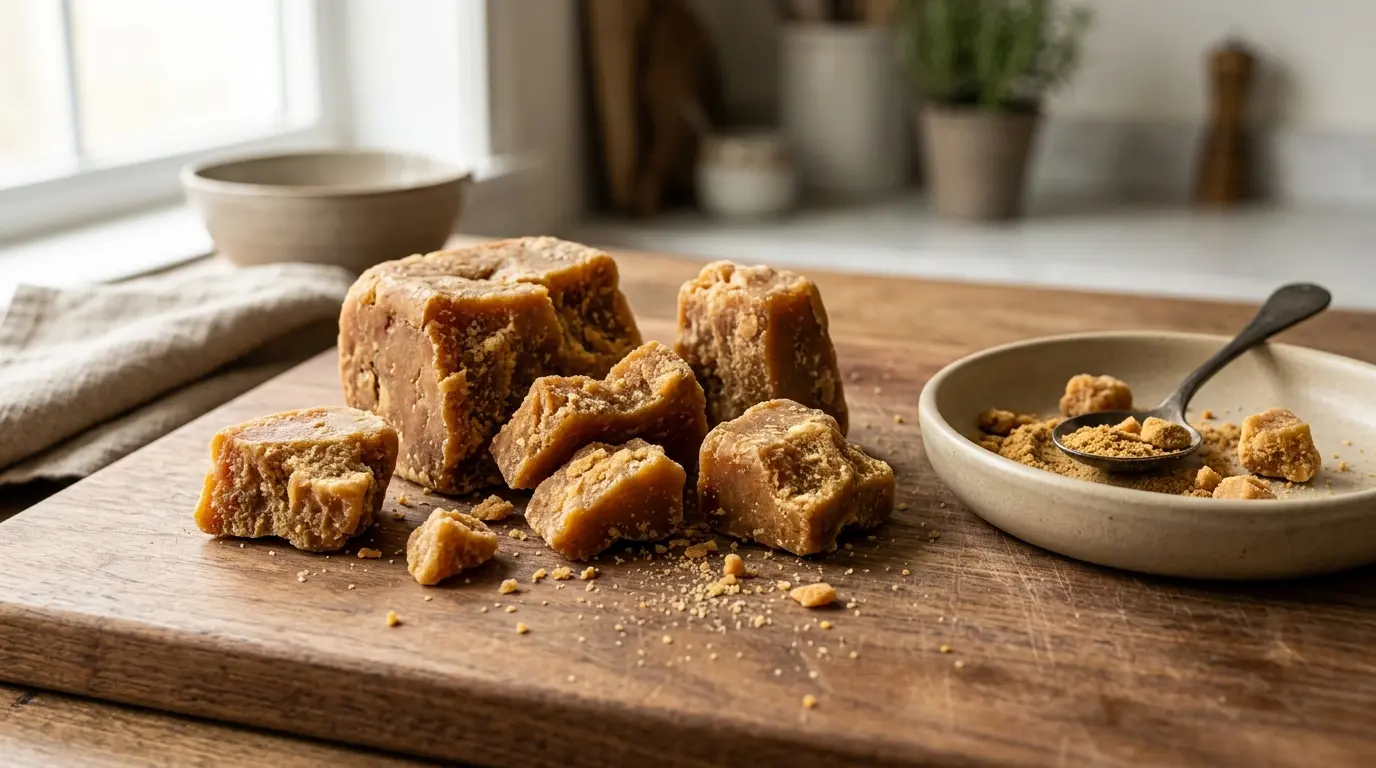
- A touch of jaggery or a light sweet glaze — for a mildly sweet version, useful in dessert-style preparations rather than as a snack.
None of these require special ingredients. Most can be tossed with the makhana in the last minute or two of roasting, using the residual heat to help the seasoning stick.
Makhana Beyond Snacking
It’s easy to think of makhana purely as a bagged snack, but that undersells how it’s actually used in the kitchen. In curries, roasted makhana is added toward the end of cooking so it soaks up the sauce without turning mushy. In kheer, it’s simmered in milk until it softens slightly, taking on the dish’s sweetness. Some households grind roasted makhana into a coarse flour for use in certain baked or fried preparations, though this is a less common, more regional use.
The common thread across all of these is texture. Makhana behaves differently depending on how it’s cooked — crisp when dry-roasted, softened but intact when simmered — which is part of why it shows up in such a wide range of dishes.
How to Store Makhana
Moisture is the main thing working against makhana’s texture. Once it absorbs humidity from the air, it loses its crispness and can turn slightly chewy or stale-tasting.
A few basics help:
- Store roasted makhana in an airtight container, not a loosely closed bag.
- Let freshly roasted makhana cool fully before sealing it — warm makhana releases steam that condenses inside a sealed container.
- Keep it in a cool, dry spot, away from direct heat or humidity.
- If roasted makhana has gone soft, a brief re-roast in a dry pan over low heat can often bring some crispness back, though the results vary.
For packaged makhana, follow the storage and best-before guidance printed on the package rather than general rules of thumb, since processing and packaging can affect shelf life.
What Should You Look for When Buying Makhana?
Makhana varies in appearance from batch to batch, which is normal for a product that’s processed from an irregular natural seed. A few things are still worth checking:
- Consistency of size and colour. Some natural variation is expected, but a package with wildly inconsistent pieces may indicate mixed grades.
- Whole, unbroken kernels. A higher proportion of broken pieces isn’t necessarily a defect, but whole kernels generally roast and hold texture more evenly.
- Clean appearance, free of visible debris. Basic cleanliness in processing shows in the finished product.
- Packaging integrity. Torn or poorly sealed packaging is one of the fastest ways for makhana to pick up moisture before it even reaches your kitchen.
- A source you trust. As with most pantry staples, working with a manufacturer or brand that pays attention to sourcing and handling tends to show up in the final product’s consistency.
Cosmetic variation — slightly different shades or shapes between pieces — isn’t automatically a sign of poor quality. It’s a natural food product, not a manufactured one, and some irregularity is expected.
Where Gyan Foods Fits In
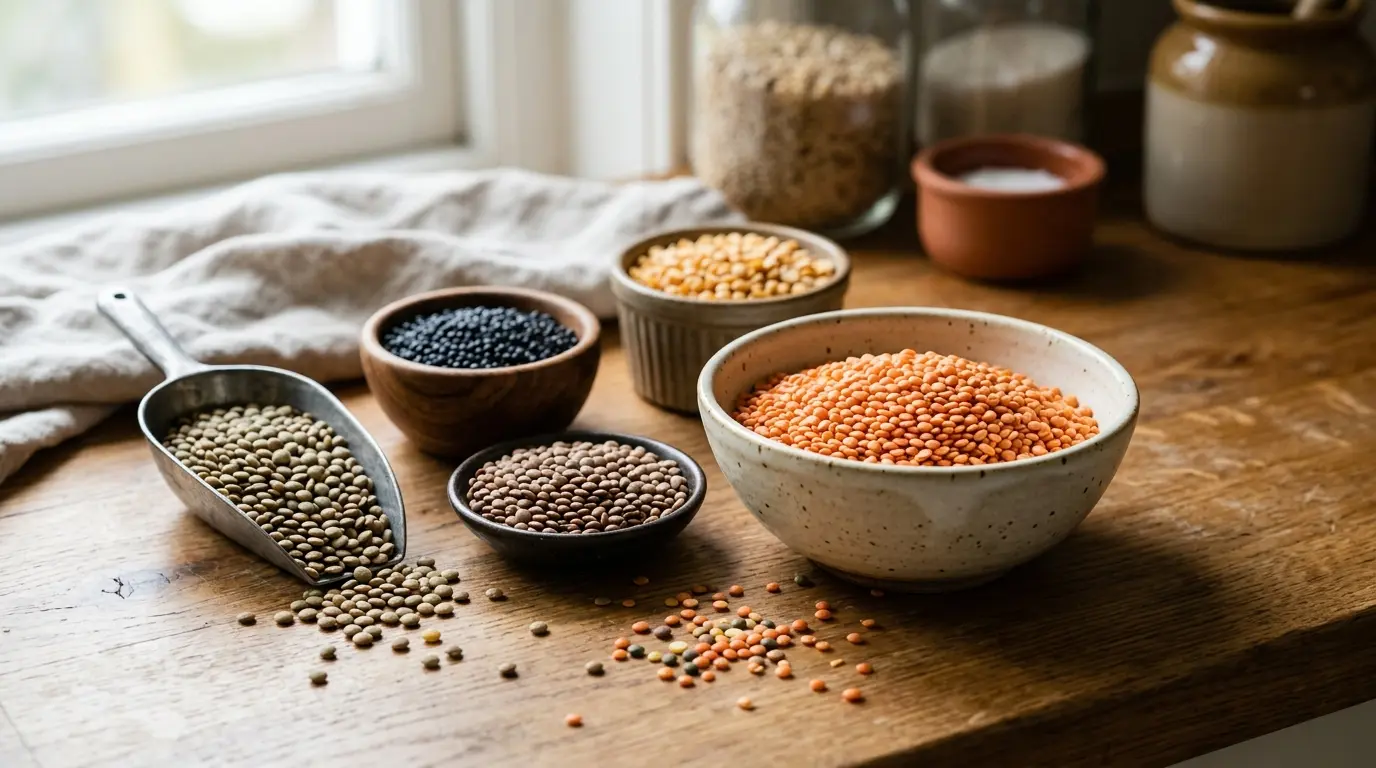
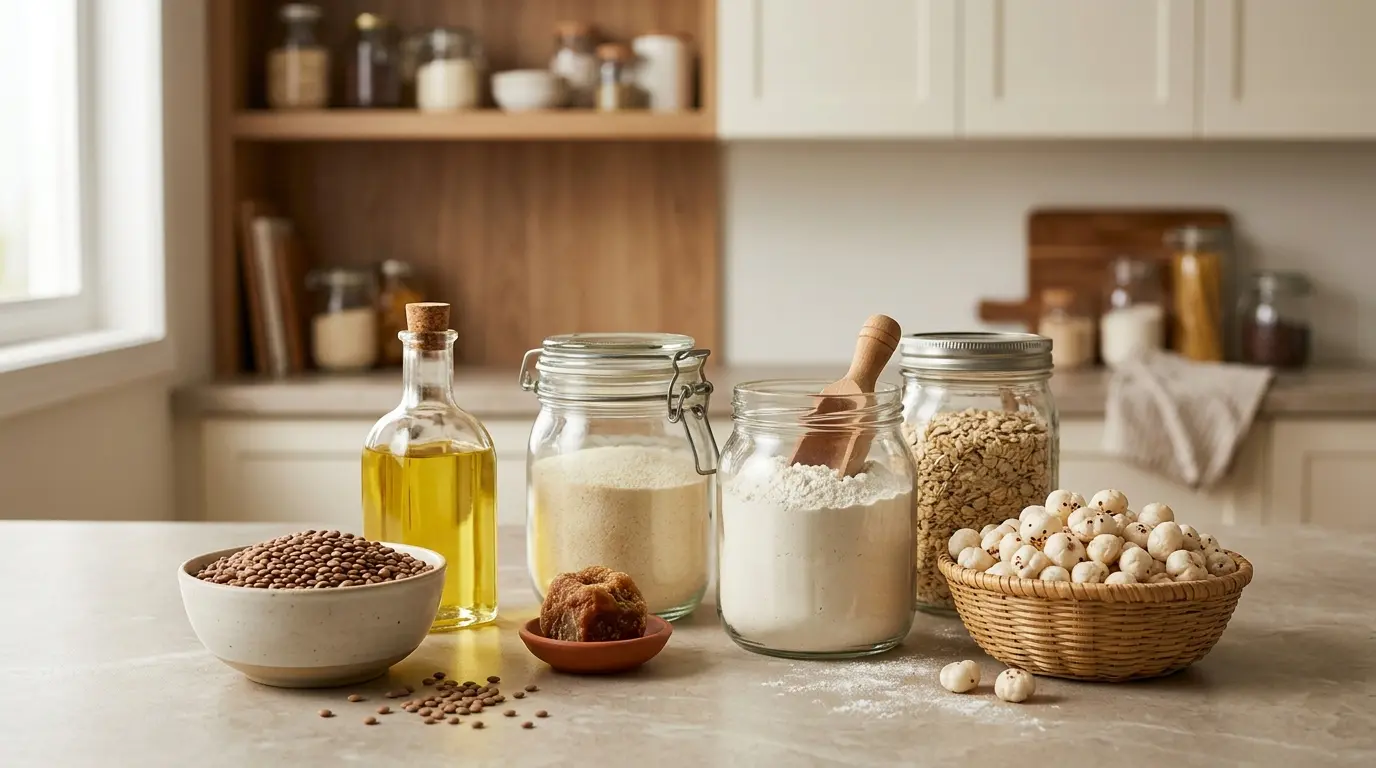
Makhana is one of the products included in Gyan Foods’ growing range of pantry and snack items, which spans lentils, flours, jaggery, cooking oils, bakery products, and other everyday staples. As with the rest of its catalogue, Gyan works with selected producers and trusted manufacturing partners when building out its product range, with an emphasis on consistency and familiar quality from package to package.
The goal isn’t to reinvent makhana, but to make a product that many households already know how to use readily available, in a form that holds up from the shelf to the kitchen.
Frequently Asked Questions About Makhana
What is makhana made from? Makhana is made from the seeds of Euryale ferox, an aquatic plant. The raw seeds are dried and roasted until they pop into the light, puffed kernels sold as makhana.
Is phool makhana the same as makhana? Yes. “Phool makhana” and “makhana” refer to the same product; the terms are used interchangeably, particularly in North Indian languages and packaging.
Are fox nuts and makhana the same thing? Yes. “Fox nuts” is the common English name for makhana, used mostly in export markets and English-language packaging.
Can makhana be eaten without roasting? Raw, unroasted makhana is edible but has a much softer, chalkier texture and little of the crunch associated with the roasted product. Roasting is what most people associate with makhana as a snack.
How do you keep roasted makhana crispy? Store it in an airtight container only after it has cooled completely, and keep it away from heat and humidity. Moisture is the main cause of makhana losing its crunch.
How is makhana usually eaten? Most commonly as a roasted, seasoned snack, but it’s also used in curries, sweet milk-based dishes like kheer, and other traditional preparations depending on the region and household.
Where can you buy makhana in Canada? Makhana is increasingly available through grocery and specialty food retailers across Canada.